








If you are eating well and moving more but the weight still will not shift, it is usually not about willpower. In Dubai, a mix of intense heat that keeps you indoors, high-pressure days, broken sleep, and repeated dieting can quietly slow fat loss, no matter how disciplined you are. Research links each of these to the hormones that control hunger, stress, and how your body stores fat.
So if you feel like you are doing everything right and getting nowhere, you are not imagining it. Here is what the research says is really going on, and where to focus instead.
Key takeaways
- Stalled weight loss is often driven by stress, sleep, and repeated dieting, not a lack of effort.
- Short sleep is linked to lower leptin and higher ghrelin, the hormones that control fullness and hunger.1
- Chronic stress and higher cortisol are associated with more fat stored around the middle in women.2
- Repeated restrictive dieting can lower the rate at which the body burns energy, making regain easier.3
Why is it so hard to lose weight in Dubai specifically?
The city’s lifestyle works against the basics. For much of the year the heat makes being active outdoors genuinely uncomfortable, so daily movement drops and life shifts indoors, into offices, malls, and cars. Eating out is woven into the social calendar, portions are generous, and air conditioning keeps everyone seated. None of this is a personal failing. It simply means the everyday, incidental movement that supports a healthy weight is harder to come by here than in a cooler climate.
On top of the environment sit four research-backed factors that have very little to do with discipline.
The reasons that have nothing to do with willpower
Two of the biggest research-backed drivers behind a stall: stress and sleep.
Good to know: these factors overlap. Poor sleep raises stress, stress drives cravings, and harsh dieting worsens both, which is why tackling them together works better than focusing on food alone.
Why dieting can make it harder over time
This is the part that feels so unfair. When you cut calories sharply, the body adapts by burning less energy at rest, an effect researchers call metabolic adaptation. A long-term study of Biggest Loser contestants found their resting metabolism stayed suppressed years after the weight loss, well below what their body size predicted.4 Broader research on weight loss shows energy expenditure falls more than body size alone would explain.3
In plain terms: the more aggressively you diet, the more your body defends its weight, which is why so many women lose quickly, stall, and regain. It is biology, not weakness.
What research says actually helps
This is education, not a prescription. Any plan is best built with a professional who knows your health history.
The pattern that holds up in research is the opposite of extreme restriction: protecting sleep, lowering the daily stress load, keeping muscle through movement and enough protein, and making changes gentle enough to keep for good. Strength and steadiness beat speed. For many women here, simply walking in the cooler early or late hours, indoors when needed, and improving sleep does more than another cut to calories.
Lower stress load
Keep muscle (movement + protein)
Sustainable, not extreme
⚖️ Consistency over speed
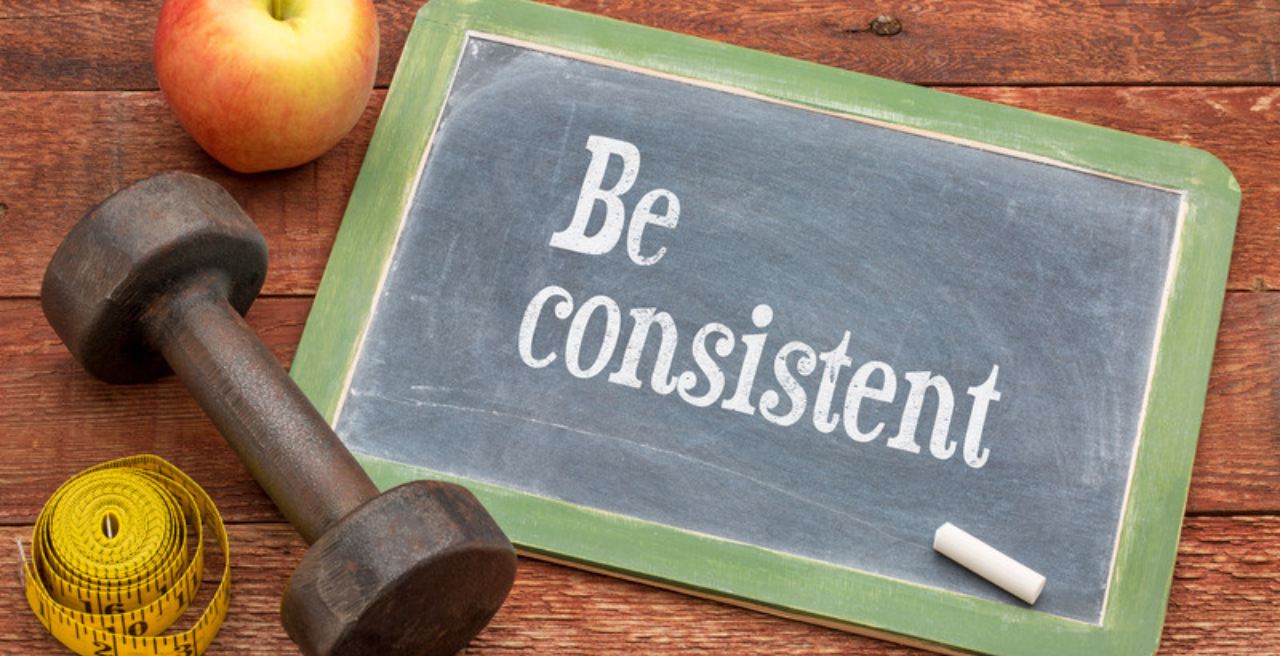
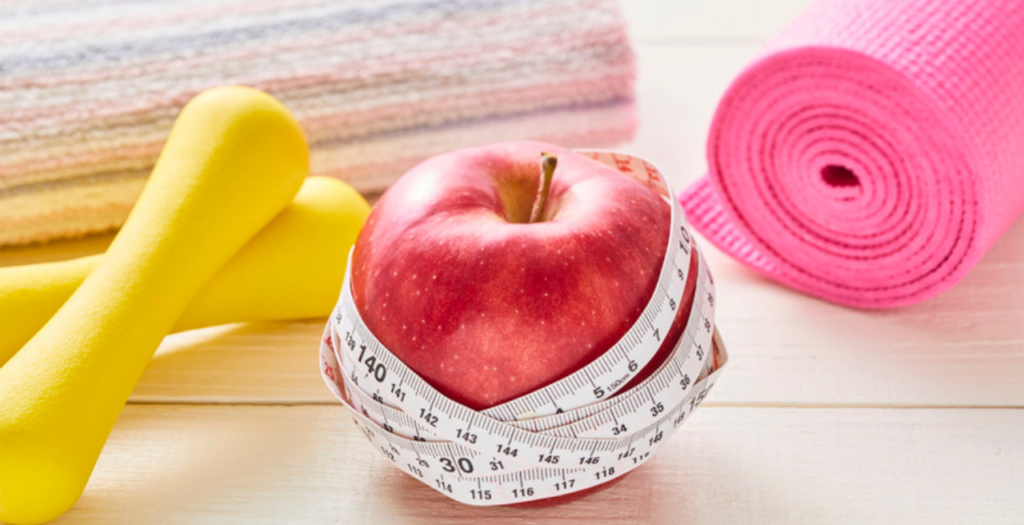
What actually helps: gentle movement, enough protein, and steady consistency.
“The more aggressively you diet, the more your body defends its weight. It is biology, not weakness.”
What to keep in mind
- Stalled weight loss is common and rarely about effort or willpower.
- Sleep and stress shift the hunger and fat-storage hormones, so they matter as much as food.12
- Very restrictive dieting can backfire by lowering how much energy you burn.4
- If weight will not move despite real effort, it is worth asking your doctor to check things like thyroid and hormones.
If you would like personalized, research-based guidance for your own situation, you can learn more about working with me here.
Frequently asked questions
Why can’t I lose weight even when I’m eating well and exercising?
Because food and exercise are only part of the picture. Sleep, stress, hormones, and a history of dieting all influence the hormones that control hunger and fat storage, so doing everything right with food can still stall if those are off.12
Why is it harder to lose weight after 40 or in perimenopause?
As estrogen shifts through the 40s, the body’s response to insulin can change and muscle is gradually lost, which together make weight loss slower and fat more likely to settle around the middle. It is a physiological shift, not a failure of effort. More on weight loss after 40.
Can stress and high cortisol stop you from losing weight?
Research links ongoing stress and higher cortisol with more fat stored around the abdomen in women, along with stronger cravings for sugary and fatty foods.2 Lowering the daily stress load is a real part of the picture.
Does poor sleep make it harder to lose weight?
Yes. Short sleep is associated with lower leptin (the fullness hormone) and higher ghrelin (the hunger hormone), which increases appetite the next day.1 Protecting sleep often helps more than another diet.
Why does dieting make weight loss harder over time?
Sharp calorie cuts trigger metabolic adaptation, where the body burns less energy at rest to protect its weight. This effect can persist and makes regain easier, which is why gentle, sustainable change works better than repeated extreme diets.34
Could my thyroid be the reason I can’t lose weight?
It can be a factor for some women, and only a blood test arranged by your doctor can tell. If weight will not move despite genuine effort, it is worth asking. More on the thyroid and weight.
The bottom line
If losing weight in Dubai feels impossible, the explanation is usually physiological, not personal. Heat-driven inactivity, high stress, broken sleep, and a history of dieting all push back against fat loss in ways research has documented.14 The way forward is rarely another harsh diet. It is steady, sustainable change to sleep, stress, movement, and food, ideally with support that fits your own health picture.
This article is for educational purposes only and does not constitute medical advice. Please speak with your GP or a qualified medical professional if you have health concerns.
References
- Taheri S, Lin L, Austin D, Young T, Mignot E. Short Sleep Duration Is Associated with Reduced Leptin, Elevated Ghrelin, and Increased Body Mass Index. PLoS Medicine, 2004. PMC
- Daubenmier J, et al. Mindfulness Intervention for Stress Eating to Reduce Cortisol and Abdominal Fat among Overweight and Obese Women. Journal of Obesity, 2011. PMC
- Müller MJ, Enderle J, Bosy-Westphal A. Changes in Energy Expenditure with Weight Gain and Weight Loss in Humans. 2016. PMC
- Fothergill E, et al. Persistent metabolic adaptation 6 years after The Biggest Loser competition. Obesity (Silver Spring), 2016. PMC