







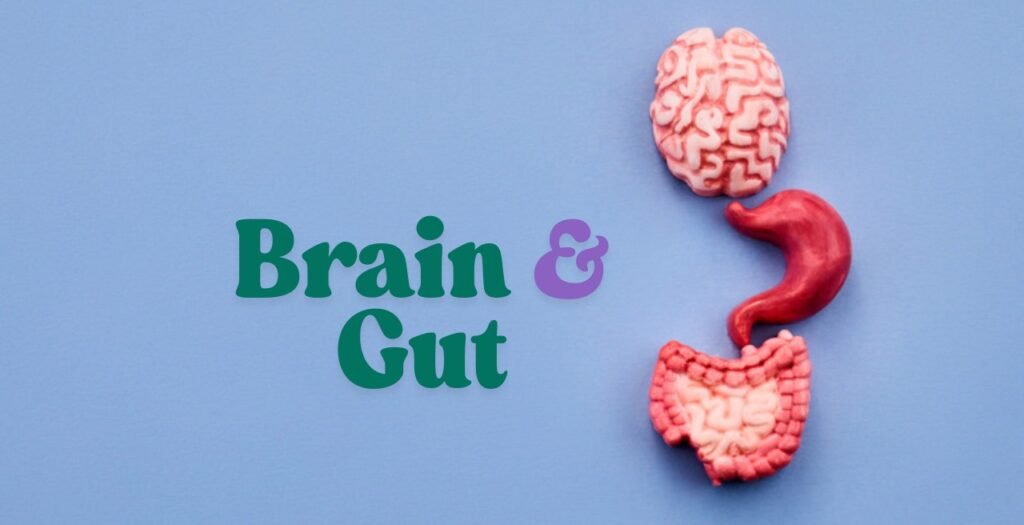
Yes, research increasingly connects your gut to how you feel. The gut and brain are in constant two-way contact through what scientists call the gut-brain axis, and studies have associated an imbalanced gut microbiome with more anxiety and lower mood.23 Much of the body’s serotonin, a key mood-related chemical, is also made in the gut.2 This does not mean your gut is the whole story, but it is a real piece worth understanding, alongside sleep, stress, food, and the right professional support.
If you live in Dubai and feel more anxious, flat, or on edge than your life seems to warrant, you are not imagining it, and you are not alone. This article looks at what the research actually says about the gut-mood link, which everyday foods and habits have been studied, and where the evidence is strong versus still developing.
Key takeaways
- The gut and brain communicate constantly through the gut-brain axis.
- Research has associated an imbalanced gut microbiome with anxiety and low mood.
- Much of the body’s serotonin, a mood-related chemical, is produced in the gut.
- Studies suggest fermented foods, fiber, and prebiotic-rich diets may support a calmer mood.
- Mood symptoms have many causes and are best reviewed with a qualified professional.
How your gut and brain talk to each other
A quick look at the system that sits behind the gut-and-mood link.
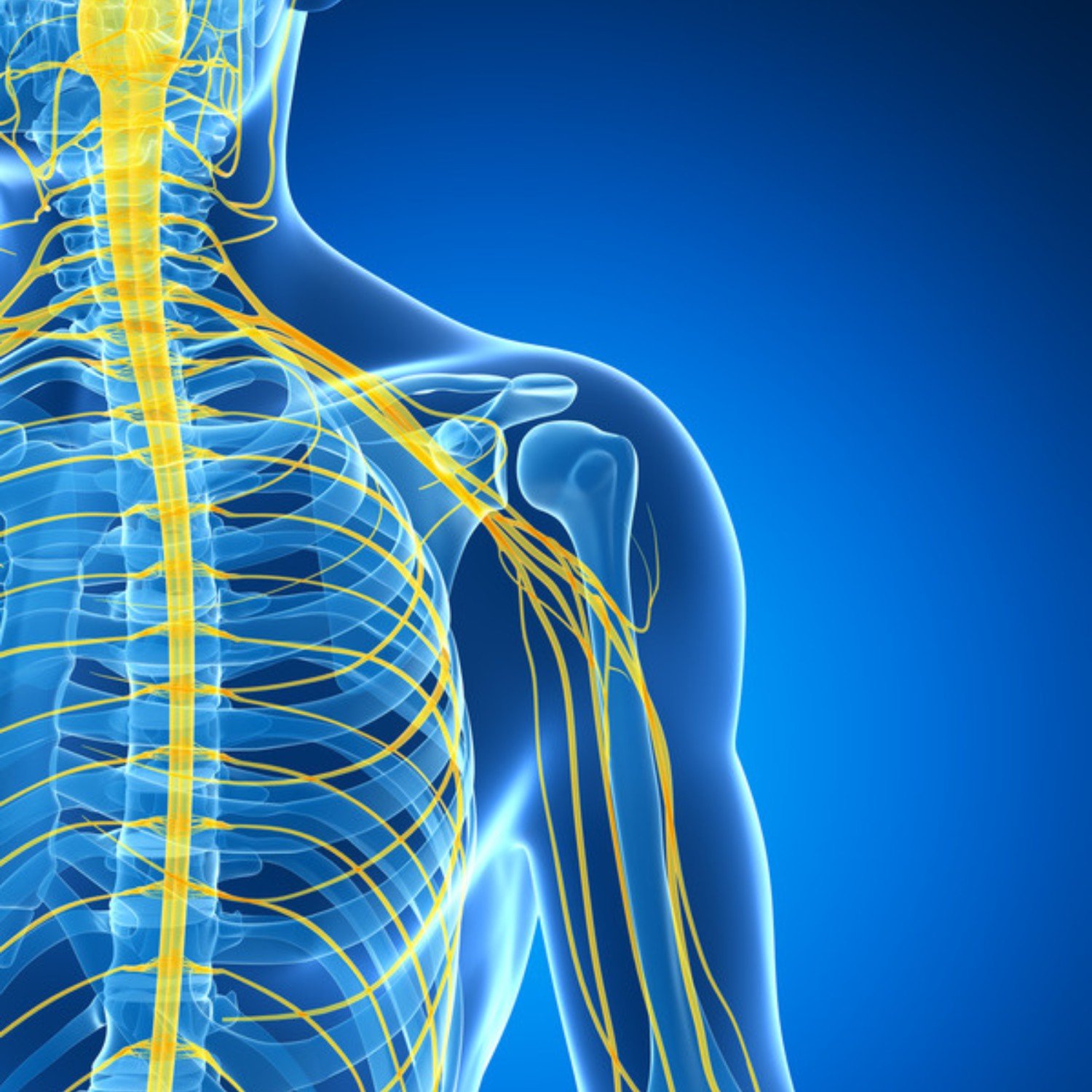
Your gut and brain are not separate islands. They are joined by a busy, two-way communication network that researchers call the gut-brain axis. Signals travel along the vagus nerve, through stress hormones tied to the HPA axis, through immune messengers, and through small molecules called short-chain fatty acids that gut bacteria make when they break down fiber.2 Because so much of the body’s serotonin is produced in the gut, the state of your gut can ripple through to how settled or unsettled you feel.2
What research links between the gut and mood
Researchers have begun to map the gut bacteria that show up alongside anxiety and low mood. One analysis reported reproducible microbiome patterns associated with anxious and depressive symptoms, suggesting the makeup of the gut community is connected to how people feel.3 Reviews describe several routes for this, from nerve signaling to inflammation, and note that digestive conditions such as irritable bowel syndrome often travel alongside anxiety or low mood.2
The main routes researchers describe, in plain terms.
Good to know: the gut-mood link runs both ways. Stress and low mood can disrupt the gut, just as gut changes can affect mood, which is part of why the pattern can feel self-reinforcing.
Foods and habits research has studied
What the studies have looked at, framed as evidence rather than instructions.
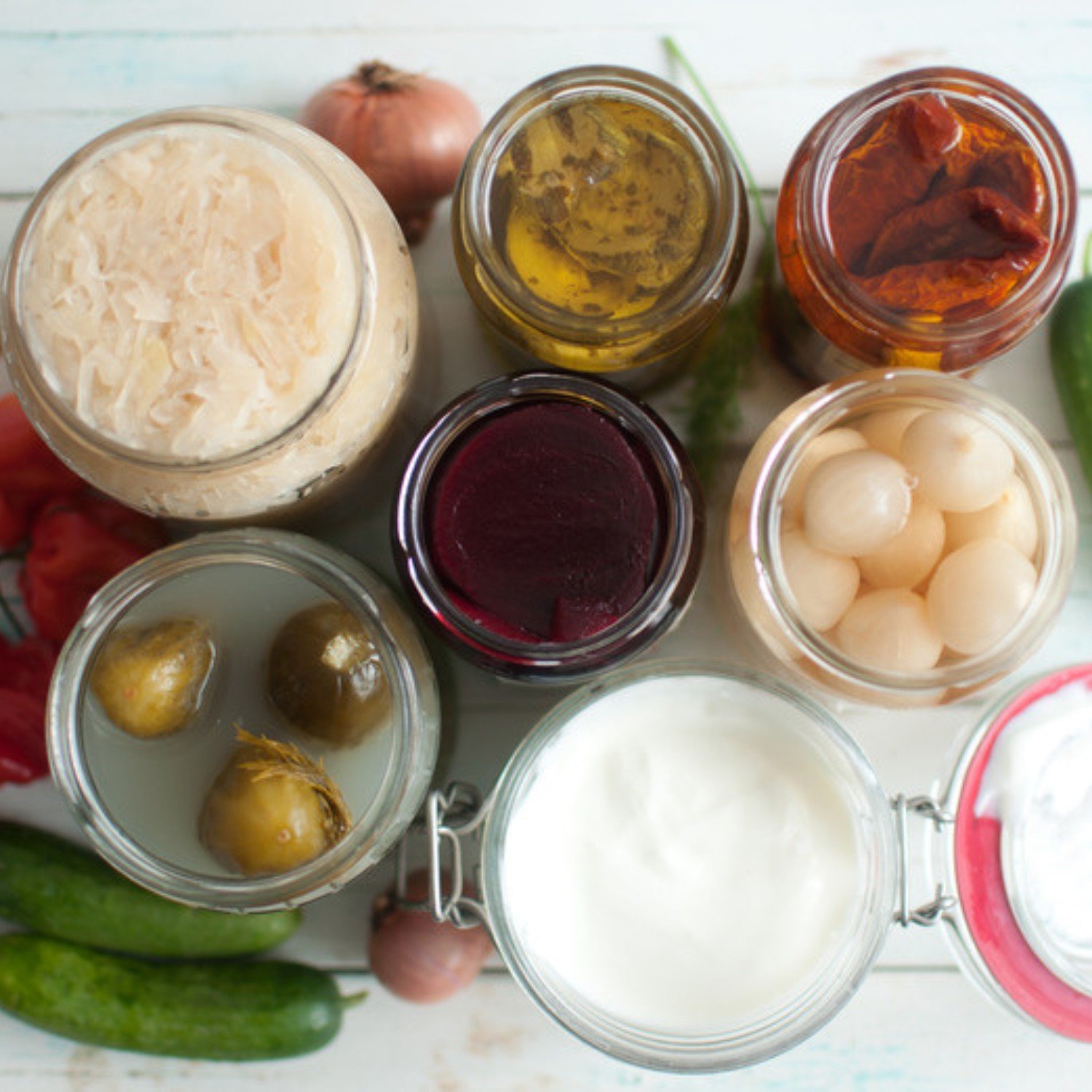
No single food resets mood, but several everyday eating patterns have been studied for their effect on stress and the gut. Fermented and fiber-rich foods are a clear example. In one randomized study, adults who followed a psychobiotic diet rich in fermented and prebiotic foods for several weeks reported feeling less stressed than a control group, and those who stuck to it most closely saw the biggest change.1
Fiber and prebiotics, the foods that feed helpful gut bacteria, have also been examined. In the Gut Feelings randomized controlled trial, a high-prebiotic diet was associated with improved mood, anxiety, stress, and sleep compared with placebo over eight weeks.4 Whole-food sources of prebiotic fiber include onions, garlic, oats, lentils, and slightly green bananas, which makes them simple to include through ordinary meals.
Specific probiotic supplements are another active area. A randomized, placebo-controlled trial of a dual-strain probiotic reported greater reductions in perceived stress, anxiety, and insomnia in stressed adults than placebo, though the authors noted more research is still needed.5 Because supplements and herbs can interact with medications, this is information to discuss with a qualified professional rather than a recommendation to start anything. Across this research, scientists describe food and lifestyle as one part of a balanced picture, not a standalone fix.
The Dubai picture
Living in the UAE comes with real advantages for anyone wanting to support their gut and their mood. Dubai offers an abundance of fresh, high-quality food, from well-stocked produce markets to fermented staples like yogurt, kefir, and labneh that feature naturally in the regional diet. Many women here also use the city’s fresh meal-plan delivery services, which bring balanced, freshly cooked meals to the door and make it easy to eat in a way that fits their own health goals and tastes.

That access matters, because the foods researchers connect with a healthier gut, plenty of fiber, variety, and fermented options, are easy to find here.14 Add in the country’s strong wellness culture, from excellent fitness facilities to a growing focus on preventive health, and women in the UAE have some of the best tools available to look after the gut-mood connection. The real win is simply choosing the options that suit your own body and routine.
“Small, steady changes to food, fiber, and stress are what the research on the gut and mood keeps pointing back to.”
What to keep in mind
- Mood has many possible causes, so the gut is one piece of the picture rather than the whole answer.
- Persistent anxiety or low mood deserves a proper review with a GP or qualified professional, not self-diagnosis.
- Gut changes tend to work slowly, through steady routines rather than quick fixes.
- Probiotics and supplements can interact with medications and conditions, so professional guidance matters before adding them.
- In the UAE, the easy access to fresh, fiber-rich, and fermented foods makes supporting the gut simpler than in many places.
If you would like personalized, research-based guidance for your own situation, you can learn more about working with me here.
Frequently asked questions
Can gut health really affect your mood and mental health?
Research links the gut and mood through the gut-brain axis, and studies have associated an imbalanced gut microbiome with more anxiety and low mood. These are described as contributing factors rather than a single direct cause, and mood is always worth reviewing with a professional.
What does gut anxiety feel like?
Some people describe it as butterflies, a knotted or churning stomach, nausea, or changes in digestion that show up when they feel anxious. Research connects this to the gut-brain axis, the two-way line between the gut and brain. It varies a lot from person to person, and any persistent symptoms are worth discussing with a professional.
What foods improve gut health and mood?
Studies have looked at fermented foods like yogurt, kefir, and labneh, and fiber-rich, prebiotic foods like onions, oats, and lentils. In trials, diets rich in these were associated with lower stress and better mood, though food is one part of a wider picture.
Can probiotics help with anxiety and depression?
Some randomized trials have associated specific probiotic strains with lower stress and anxiety scores, but results vary and more research is needed. Because supplements can interact with medications, this is best discussed with a qualified professional.
Can stress damage my gut, or is it the other way around?
Research suggests it runs both ways. Ongoing stress can disrupt the gut, and an imbalanced gut can affect mood, which is part of why the cycle can feel self-reinforcing. Supporting sleep and stress alongside food is often discussed together.
Conclusion
The gut and mood are more closely connected than most of us were taught. Research describes a constant, two-way conversation between the two, with the gut microbiome, the vagus nerve, stress hormones, and inflammation all playing a part, and much of the body’s serotonin made in the gut itself. The most consistent message is that everyday habits matter: fermented foods, fiber, and managing stress have all been studied for their gentle effect on the gut and mood.
For women in Dubai, the abundance of fresh, healthy options makes these steady basics easier to build into daily life, and they are best understood as part of a balanced, varied lifestyle. Any persistent or worrying anxiety or low mood deserves a proper review with a qualified professional who can look at the whole picture.
Related reading
- Gut health in Dubai: why so many expat women struggle
- What research says about antibiotics and your gut
- Fermented foods for your microbiome and muscle strength
- IBS in Dubai: what research says
This article is for educational purposes only and does not constitute medical advice. Please speak with your GP or a qualified medical professional if you have health concerns.
References
- Berding K, et al. Feed your microbes to deal with stress: a psychobiotic diet impacts microbial stability and perceived stress. Molecular Psychiatry, 2023. Molecular Psychiatry
- Xiong R-G, et al. The Role of Gut Microbiota in Anxiety, Depression, and Other Mental Disorders as Well as the Protective Effects of Dietary Components. Nutrients, 2023. PubMed Central
- Nikolova VL, et al. Reproducible microbiome composition signatures of anxiety and depressive symptoms. 2023. PubMed Central
- Freijy TM, et al. Effects of a high-prebiotic diet versus probiotic supplements versus synbiotics on adult mental health: the Gut Feelings randomised controlled trial. 2023. PubMed Central
- Lin C-H, et al. Dual-Strain Psychobiotics Improve Psychological and Neuroendocrine Outcomes in Stressed Adults: A Randomized, Placebo-Controlled Trial. 2024. PubMed Central