











Introduction to Medium-Chain Triglycerides
Medium-chain triglycerides (MCTs) are a type of fat the body absorbs quickly and uses for fast energy, found naturally in coconut oil, palm-kernel oil and dairy. Research has linked them with a modest boost in calorie burn, a small effect on appetite, and some heart-health markers such as cholesterol and triglycerides. The effects are usually modest and the evidence is still developing, so MCTs are best understood as one part of a balanced diet rather than a quick fix. As a health-conscious individual living in Dubai, you’re likely no stranger to how much nutrition advice is out there — and how often it contradicts itself. With the city’s vibrant food scene, working out which fats genuinely support your wellbeing can feel confusing. One fat that has earned real research attention in recent years is the medium-chain triglyceride, or MCT. This article looks at what the research actually says — what MCTs are, how the body handles them, and where the evidence is strong versus still emerging.
Key takeaways
- MCTs are a type of fat the body absorbs and uses for energy quickly.
- They occur naturally in coconut, palm-kernel oil and dairy.
- Research has linked them with calorie burn, appetite and some heart-health markers.
- They come in four types (C6–C12); C8 and C10 are the most studied.
What are medium-chain triglycerides?
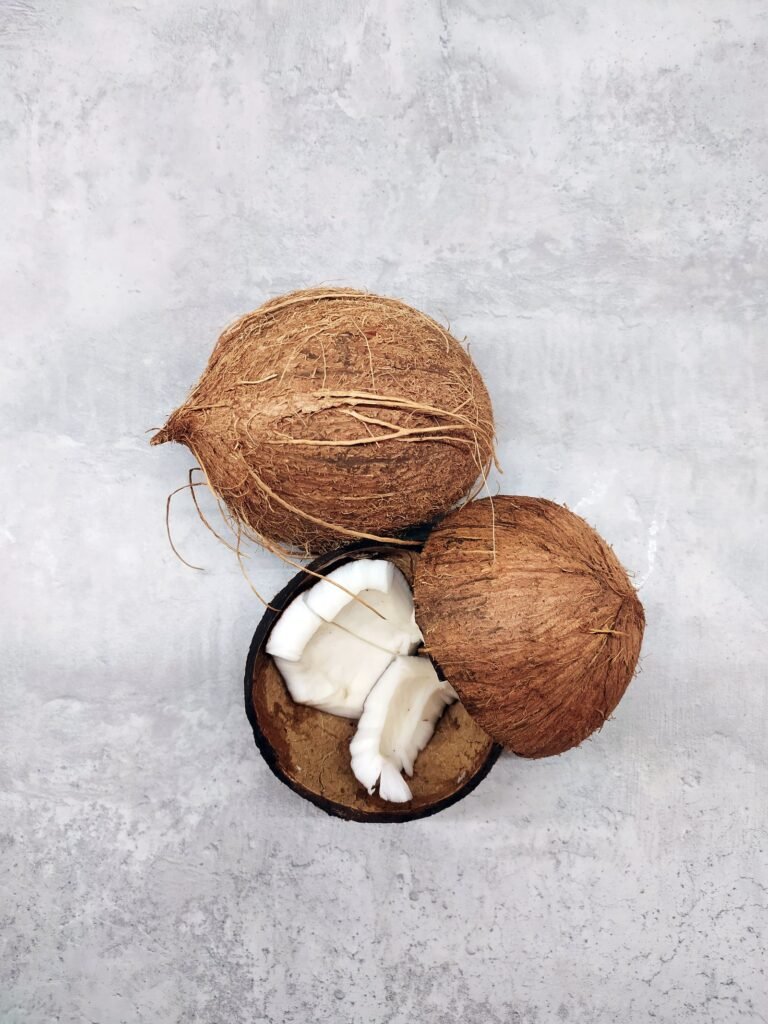
MCTs are a type of saturated fat defined by their structure: chains of 6 to 12 carbon atoms, shorter than the long-chain fats in most foods. They occur naturally in a few foods — coconut oil is the richest common source (roughly half its fat is medium-chain), with smaller amounts in palm-kernel oil and dairy such as butter and goat’s milk. Because of their shorter length, the body absorbs and processes MCTs differently from other fats, which is why researchers have studied them as a quick source of energy.
MCTs aren’t a single thing — they’re a family of fats grouped by carbon length (6 to 12), and research has looked at each a little differently.
Good to know: MCT oils are usually sold pre-blended (most commonly C8 and C10), so there’s no mixing involved.
How MCTs work in the body
Most dietary fats are long-chain and take a slow route, travelling through the lymphatic system before the body can use them. MCTs take a shortcut: they’re absorbed straight from the gut and carried directly to the liver, where they’re quickly broken down for energy.1 In the liver, some is turned into ketones — a fuel the brain and muscles can use — and research shows shorter chains like C8 make ketones far more readily than longer fats.1 This fast, direct pathway is why MCTs are studied so often for quick energy.
The Role of MCTs in Calorie Burn and Weight Loss
One area researchers have explored is whether MCTs affect calorie burn and weight. Some studies suggest MCTs may modestly raise the body’s thermogenic response (energy expenditure)2, as they’re used for energy quickly rather than stored. Research has also looked at hunger and fullness, with some reviews reporting a modest effect on appetite.3 For body composition, some studies have seen small reductions in body weight and body fat when MCTs replaced other fats in a weight-loss diet4 — though effects are usually modest and findings vary. Weight is shaped by many things beyond any single food — see our look at why losing weight gets harder after 40.
How MCTs Appear in Food and Supplements
In practice, MCTs show up two ways. First, naturally in whole foods — coconut and coconut milk, palm-kernel oil, and full-fat dairy like butter and goat’s milk. Second, as concentrated MCT oil, extracted mostly from coconut or palm-kernel oil and usually sold ready-blended as C8 and C10. Products differ in quality, purity and processing. This is general information about where MCTs are found, not a recommendation to use any product.
The Benefits of MCTs for Heart Health
Researchers have also examined MCTs and heart health. Some studies suggest MCTs may be associated with changes in cholesterol levels, inflammation markers and blood lipid profiles.2 Some of the interest centres on lauric acid (C12), studied for anti-inflammatory properties. A few studies have linked MCTs with improvements in markers such as triglycerides and HDL cholesterol, but results are mixed, the studies are often small, and more research is needed. As with any fat, the overall diet matters far more than one ingredient.
Supporting Overall Health with MCTs
Beyond weight and heart health, MCTs have been studied for other possible effects. Because they raise ketone levels, researchers have looked at brain and cognitive function — one review of trials reported MCTs may help some aspects of memory in older adults, though the studies were small and short.5 MCTs have also been investigated for roles in immune function, inflammation and antimicrobial activity. Across this work, scientists describe MCTs as one part of a balanced, varied diet rather than a standalone fix.
What to Know About Tolerance
A practical theme in the research is tolerance. Because MCTs are absorbed quickly and sent straight to the liver, larger amounts can cause digestive effects — commonly stomach discomfort, bloating or loose stools. In studies these tend to be temporary and dose-dependent, which is why trials usually introduce MCTs in small amounts and build up slowly.6 That’s simply how the research is run, not personal advice on amounts.
“Small, consistent habits with healthy fats are what research keeps pointing back to.”
What to Keep in Mind About MCTs
A few things researchers and practitioners often note about MCTs:
- Tolerance varies between people — studies often introduce MCT oil gradually, since larger amounts can cause digestive discomfort for some.
- Products differ in quality and how they are processed.
- MCTs are usually discussed as part of an overall balanced diet, not a quick fix.
- Anyone with a health condition or specific concerns is generally encouraged to speak with a qualified professional before changing their diet or supplements.
Overall, research describes MCTs as a fat the body uses quickly, with possible roles in energy, weight and heart-health markers — best understood within a balanced diet. If you’d like personalised, research-based guidance for your own situation, you can learn more about working with me here.
Frequently asked questions
Is MCT oil the same thing as coconut oil?
Not quite — coconut oil naturally contains MCTs, but MCT oil is a concentrated extract.
What’s the difference between C8 and C10 MCT oil?
Research suggests C8 converts to ketones faster, while C10 is associated with a steadier energy release. Most products blend the two.
Do I need to mix MCT oil myself, or does it come ready-blended?
Yes — they’re typically sold ready-blended (often C8 and C10), so no mixing is needed.
Does MCT oil actually help with weight loss?
Some studies have observed modest effects on calorie burn and fullness, but the evidence is still developing and varies between people.
Conclusion: Unlocking the Power of MCTs for Optimal Health
In summary, MCTs are a type of fat that researchers have linked with energy, weight and heart-health markers, alongside possible effects on the brain and immune system. Their fast, direct route through the liver makes them genuinely interesting to study — but the evidence is still developing, the effects are usually modest, and individual responses vary. The most consistent message is that MCTs are best understood as one part of a balanced, varied way of eating, not a standalone answer.
This article is for educational purposes only and does not constitute medical advice. Please speak with your GP or a qualified medical professional if you have health concerns.
References
- Augustin K, et al. Mechanisms of action for the medium-chain triglyceride ketogenic diet in neurological and metabolic disorders. Lancet Neurology, 2018. Lancet Neurology
- Mumme K, Stonehouse W. Effects of medium-chain triglycerides on weight loss and body composition: a meta-analysis of randomized controlled trials. J Acad Nutr Diet, 2015. PubMed
- Maher T, Clegg ME. A systematic review and meta-analysis of medium-chain triglycerides effects on acute satiety and food intake. 2021. PubMed
- The impact of medium-chain triglycerides on weight loss and metabolic health in individuals with overweight or obesity: a systematic review and meta-analysis. Clinical Nutrition, 2024. PubMed
- Medium-chain triglycerides may improve memory in non-demented older adults: a systematic review of randomized controlled trials. BMC Geriatrics, 2022. PubMed
- Harvey CJ, et al. The effect of medium-chain triglycerides on time to nutritional ketosis and symptoms of keto-induction: a randomised controlled trial. 2018. PMC