

You took a course of antibiotics a few months ago, maybe for a chest infection, a UTI, or something you picked up travelling. Since then, your digestion hasn’t been quite right. You’re more bloated, more irregular, or just feeling generally off in a way you can’t quite explain.
Research suggests there may be a direct connection.
You've tried everything and you're still tired. You don't need one more plan piled on top of what you already do. I'm a health coach: I help you understand what your body is actually asking for. No rigid protocols, no punishing plans. Just two or three small routines slipped into the life you already have. Tiny, steady and simple steps.
What Research Has Found About Antibiotics and Gut Bacteria
Research has established that antibiotics are medicines that target bacteria, they are essential and life-saving when used appropriately. Studies have consistently found, however, that antibiotics do not only affect harmful bacteria, they also affect the community of beneficial bacteria that live in the gut.
A study published in the journal Nature found that even a short course of antibiotics caused significant reductions in gut bacteria diversity that persisted for six months after the course ended. Research showed some bacterial species recovered relatively quickly, others showed lasting reductions even at the one-year mark.
Research from the Sanger Institute in the UK found that the effects of antibiotic use on gut bacteria were highly variable, some people recovered well within a few weeks, while others showed lasting changes. Studies identified the key factors that influenced recovery: the type of antibiotic used, the number of previous antibiotic courses, diet during and after the course, and whether any active gut recovery steps were taken.
Why Multiple Courses Add Up
Research suggests that the cumulative effect of multiple antibiotic courses over time is significant.
A study published in Gut followed individuals who had received multiple antibiotic courses and found progressively reduced gut bacteria diversity with each course, particularly when courses were taken within short periods of each other. The researchers noted that each course left the gut less resilient and slower to recover than the last.
Research on antibiotic use in the GCC has noted patterns of use worth being aware of, and for women who have had several courses over the years, this may be a useful piece of context when understanding persistent digestive issues. The good news is that research is clear: gut bacteria can recover, and the steps that support this are straightforward and effective.
What This Means in Practical Terms
Research has linked gut bacteria disruption following antibiotic use to a range of digestive symptoms including:
- Loose stools or diarrhoea immediately after a course, very common and well-documented in research
- Bloating and gas that persists for weeks or months after finishing
- Constipation in some people, as studies show gut movement patterns can change
- Increased food sensitivities, research suggests a disrupted gut lining may respond differently to foods that were previously tolerated well
- A general sense of digestive unpredictability that wasn’t present before
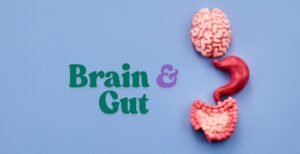
Research has also found associations between antibiotic-related gut disruption and mood changes. Studies have found that a significant proportion of mood-regulating chemicals are produced in the gut, which means that disrupting gut bacteria can have effects that go beyond digestion alone.
What Research Suggests for Recovery
The good news from the research is clear: gut bacteria can recover, and the steps that support recovery are straightforward.
Fermented foods. A Stanford University study published in Cell found that a diet rich in fermented foods, natural yoghurt, kefir, sauerkraut, kimchi, increased gut bacteria diversity significantly over ten weeks. Research suggests starting these during or immediately after a course of antibiotics rather than waiting.
Plant variety. The American Gut Project research found plant variety to be the strongest dietary predictor of gut bacteria richness. After antibiotics, studies show that consciously increasing the variety of vegetables, fruits, herbs, seeds, and legumes you eat supports gut bacteria recovery.
Probiotics. Research on probiotic use alongside and after antibiotics shows generally positive results. A Cochrane Review found that probiotics reduced the risk of antibiotic-associated diarrhoea and supported gut recovery. Research suggests taking probiotics two hours apart from the antibiotic dose, not at the same time, for best results.
Time and patience. Research is consistent that gut recovery after antibiotics is not instant. Studies suggest meaningful recovery takes between three months and one year depending on the individual and the course taken. This is worth knowing because many women assume something is permanently wrong when actually the gut is still in the process of recovering.
For more on supporting gut health, visit the Gut Health page.
One thing you can do today:
If you have taken antibiotics in the last six to twelve months and your digestion has not felt right since, this may be why. Start adding one fermented food daily, natural yoghurt, kefir, or a small serving of sauerkraut. Research suggests consistency matters more than quantity.
Related reading
- Gut health in Dubai: why so many expat women struggle
- Feeling anxious or low? Your gut may play a role
- Fermented foods for your microbiome and muscle strength
- IBS in Dubai: what research says
If you’d like support with this:
I work with women in Dubai and across the GCC as a CNM Qualified Health Coach. If your gut hasn’t felt right since a course of antibiotics, there is good research to guide recovery, and it is very often possible to get back to feeling well. Learn more about working with me →
This article is for educational purposes only and does not constitute medical advice. If you have concerns about your health, please speak with your GP or a qualified medical professional.
To explore more about women’s gut health and what a naturopathic approach looks like in practice, visit the Women’s Gut Health resource page.