









Vitamin D deficiency is very common among women in the UAE because daily life here is mostly indoors and very little skin reaches direct sun. Even with sunshine almost every day, UAE studies have found low vitamin D in roughly 80 to 90 percent of women tested.23 The shortfall comes mainly from time spent inside, air conditioning, intense summer heat, and clothing that covers the skin, not from anything you are doing wrong.
That short answer surprises most women in Dubai. Below is what the research shows about why it happens, what low levels can look like, the partner nutrients vitamin D needs to work, and how to use sunlight safely even in a hot country.
Key takeaways
- Vitamin D helps the body absorb calcium and supports bone, muscle, and immune function.1
- UAE studies have reported low vitamin D in roughly 80 to 90 percent of women, despite year-round sun.23
- Vitamin D does not work alone: magnesium helps activate it, and vitamin K2 helps direct the calcium it absorbs.78
- Sunlight only makes vitamin D when the sun is high enough, so timing and skin exposure matter.9
- A blood test is the only way to know your level, and any supplement decision belongs with your doctor.
Why is vitamin D deficiency so common in the sunny UAE?
The sunshine is here, but the exposure often is not. Much of daily life in Dubai and across the Emirates happens indoors, in offices, malls, and cars. For a large part of the year the heat makes time outside genuinely uncomfortable, so air conditioning keeps everyone in. When women are outdoors, sun protection and modest clothing both reduce how much sunlight reaches the skin. Researchers studying women in the UAE have linked these everyday patterns to widespread low vitamin D.5
A 2025 systematic review that pooled UAE studies concluded vitamin D inadequacy stays highly common across the population despite the country’s abundant sunshine.4 So this is a well-documented, region-wide pattern, not something unusual about you.
What are the signs of low vitamin D in women?
Low vitamin D rarely announces itself. It is often described as largely silent until levels are very low.6 When women do notice something, research has most often pointed to tiredness, low mood, and aches in the muscles or bones, with the clearest evidence around bone and muscle health.1 Some women also report more frequent infections or extra hair shedding, though these links are still being studied.
Good to know: mild deficiency can have no symptoms at all, which is exactly why a blood test matters more than how you feel.
If constant tiredness sounds familiar, it can have several overlapping causes. It may help to read this alongside our piece on why so many women feel exhausted in Dubai and how your menstrual cycle can flag vitamin gaps.
Vitamin D does not work alone: magnesium and vitamin K2
This is the part many people miss. Vitamin D depends on partner nutrients to do its job.
Magnesium is needed to switch vitamin D into its active form. The enzymes in the liver and kidneys that convert vitamin D both rely on magnesium as a cofactor, so when magnesium is low, vitamin D cannot be fully activated.7 A study in the Journal of the American Osteopathic Association describes magnesium as essential to vitamin D metabolism.7
Vitamin K2 then handles the calcium. Vitamin D increases how much calcium the body absorbs, but it does not decide where that calcium goes. Vitamin K2 activates proteins that help steer calcium into bones and away from arteries, which is why research describes vitamin D and K2 as working together for both bone and heart health.8
You can find these nutrients in everyday foods. This is general education, and combining supplements is something to discuss with your doctor first.
Food sources of magnesium and vitamin K2
Nuts & seeds (magnesium)
Whole grains (magnesium)
Egg yolks (K2)
Aged & fermented cheese (K2)
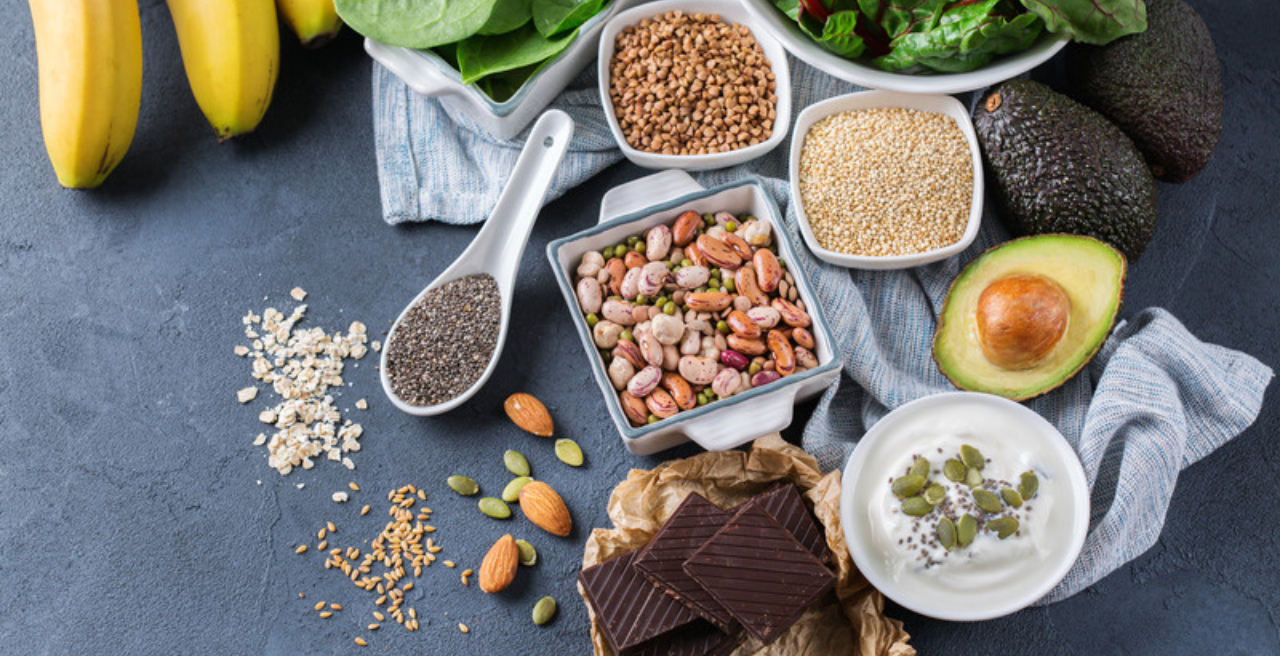


Everyday food sources of magnesium and vitamin K2, the partners vitamin D needs.
How to get vitamin D from the sun in a hot country
You can absolutely use sunlight in the UAE. The trick is matching the timing to when your skin can actually make vitamin D, while respecting the heat.
Your skin only makes vitamin D when ultraviolet B (UVB) light is strong enough, which happens when the sun is high in the sky. That means mid-morning to mid-afternoon, not dawn or dusk. Early morning and evening light feels gentle and pleasant, but it carries very little UVB, so it makes very little vitamin D.9
The shadow rule: if your shadow is shorter than you are tall, the sun is high enough to make vitamin D. If your shadow is longer than you, there is little UVB about.
For the UAE, that points to a simple, practical rhythm:
Use the beautiful winter months for comfortable midday sun in your own garden, on a balcony, at the beach, or in the green mountain areas. In summer, aim for short exposure in the shoulder hours, such as mid-morning or later afternoon, when there is still UVB but the heat is less punishing.



Using safe sun exposure for vitamin D: timing, skin exposure, and not overdoing it.
How much skin reaches the light matters too. Exposing the forearms, lower legs, and face for a short time helps the skin make more vitamin D. If you wear an abaya or headscarf, regularly uncovering the wrists, ankles, and face for a short spell still contributes. Lighter skin often needs only ten to twenty minutes, while darker skin may need three to six times longer to make the same amount.9 The goal is short, regular exposure that never reaches burning. Even doing this two or three times a week, or across the weekend, is enough because the body stores what it makes.1
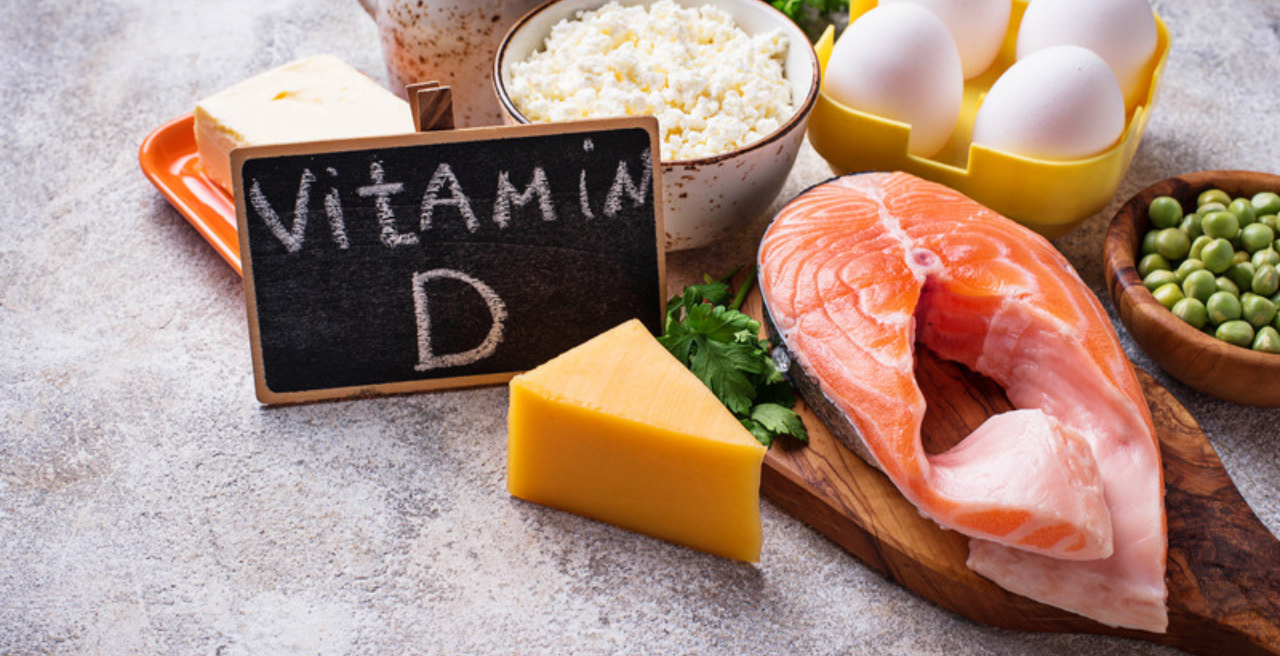
Sunlight is the main source, but a few foods provide vitamin D too, though rarely enough on their own.1
Food sources of vitamin D
Egg yolks
Fortified milk & cereals
Some mushrooms
Can low vitamin D cause tiredness or weight gain?
These are two of the most searched questions, so they are worth answering plainly. Research has associated low vitamin D with fatigue, and tiredness is one of the symptoms clinicians look at when levels are low.6 Weight is more complicated. Studies show a link between lower vitamin D and higher body weight, but they have not shown that low vitamin D causes weight gain. The relationship appears to run in both directions and is still being researched.
“The sunshine is here in the UAE. The exposure often is not, and that gap is what the research keeps pointing to.”
What to keep in mind
- Low vitamin D is common among women in the UAE and is rarely about doing anything wrong.2
- Vitamin D needs partners: magnesium to activate it and vitamin K2 to direct calcium.78
- Sunlight makes vitamin D only when the sun is high, so dawn and dusk do little.9
- A blood test is the only way to know your level, so ask your GP rather than guessing.
- Any supplement or recovery plan belongs with a qualified professional who knows your history.
If you would like personalized, research-based guidance for your own situation, you can learn more about working with me here.
Frequently asked questions
Why is vitamin D deficiency so common in the UAE when it’s so sunny?
Because daily life is mostly indoors, the heat discourages time outside, and clothing plus sun protection limit how much sunlight reaches the skin. UAE studies link these factors to widespread low vitamin D despite the climate.45
What are the signs of low vitamin D in women?
It often shows up vaguely as tiredness, low mood, or muscle and bone aches, and sometimes more frequent infections or hair shedding. Research links it most clearly with bone and muscle health. Mild cases may have no symptoms, so a blood test is the only way to be sure.6
How do I know if I have a vitamin D deficiency?
Through a simple blood test called 25-hydroxyvitamin D, which your GP or clinic can arrange. It is not always included in a standard panel, so you may need to ask for it. Your doctor interprets the result and advises on any next steps.
Do I need magnesium and vitamin K2 with vitamin D?
They work as a team. Magnesium is needed to activate vitamin D, and vitamin K2 helps direct the calcium vitamin D absorbs into bones rather than arteries.78 You can get all three from food, and any supplement combination is best discussed with your doctor.
What is the best time to get vitamin D from the sun in the UAE?
When the sun is high enough for UVB, roughly mid-morning to mid-afternoon. Dawn and dusk feel gentler but make very little vitamin D. In summer, short exposure in the shoulder hours works; winter midday is ideal and comfortable. Darker skin needs longer than lighter skin.9
Can low vitamin D cause weight gain?
Research shows a link between lower vitamin D and higher body weight, but it has not shown that low vitamin D causes weight gain. The relationship seems to run both ways and is still being studied, so vitamin D is best seen as one piece of the picture, not a weight-loss fix.
The bottom line
The UAE’s vitamin D paradox is real and well documented. There is plenty of sun, but limited exposure, which leaves a large share of women with low levels.24 The encouraging part is that it is simple to check and to support, through sensible sunlight, the right partner nutrients, and professional guidance. Vitamin D is best understood as one piece of a balanced, varied lifestyle, not a single fix.
This article is for educational purposes only and does not constitute medical advice. Please speak with your GP or a qualified medical professional if you have health concerns.
References
- National Institutes of Health, Office of Dietary Supplements. Vitamin D: Fact Sheet for Health Professionals. NIH ODS
- Sheriff DS, et al. Prevalence of vitamin D deficiency and associated comorbidities among Abu Dhabi Emirates population. 2019. PMC
- Al Anouti F, et al. Vitamin D Deficiency and Its Associated Factors among Female Migrants in the United Arab Emirates. Nutrients, 2022. PubMed
- Vitamin D status among apparently healthy individuals in the UAE: a systematic review. Frontiers in Nutrition, 2025. Frontiers in Nutrition
- Haq A, et al. The high prevalence of vitamin D inadequacy and dress style of women in the sunny UAE. 2012. PubMed
- Sizar O, et al. Vitamin D Deficiency. StatPearls, NCBI Bookshelf. NCBI
- Uwitonze AM, Razzaque MS. Role of Magnesium in Vitamin D Activation and Function. J Am Osteopath Assoc, 2018. PubMed
- van Ballegooijen AJ, et al. The Synergistic Interplay between Vitamins D and K for Bone and Cardiovascular Health: A Narrative Review. Int J Endocrinol, 2017. PMC
- O’Neill CM, et al. Colour Counts: Sunlight and Skin Type as Drivers of Vitamin D Deficiency at UK Latitudes. Nutrients, 2016. PMC