You've tried everything and you're still tired. You don't need one more plan piled on top of what you already do. I'm a health coach: I help you understand what your body is actually asking for. No rigid protocols, no punishing plans. Just two or three small routines slipped into the life you already have. Tiny, steady and simple steps.
Key takeaways
Your body cools at night to fall and stay asleep, so a warm room makes sleep harder.
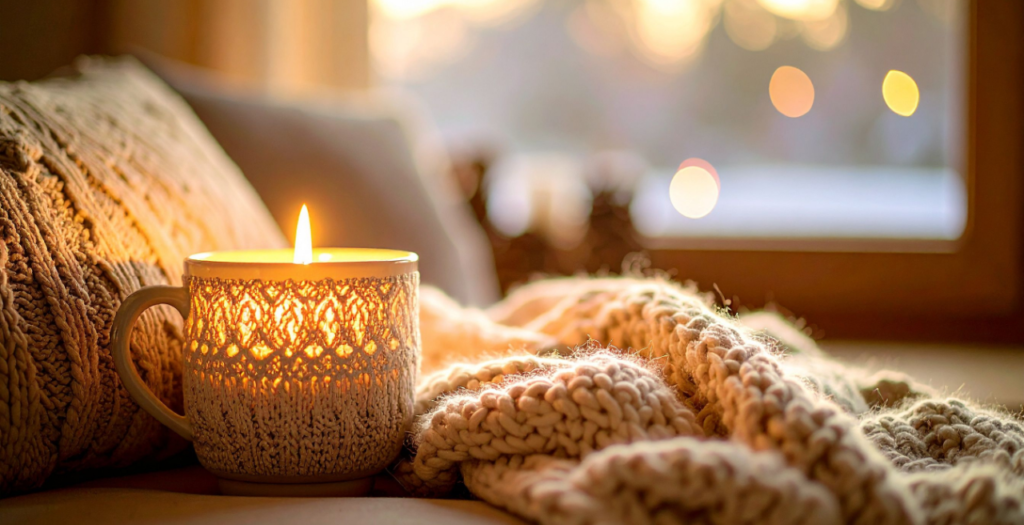
A cool room works best with a cozy, breathable cover. Cool air, warm skin.
Hot flushes around the 40s are common and linked to hormonal changes.
Water-rich foods like cucumber, melon, mint and leafy greens help with hydration and comfort.
Heavy, spicy or sugary meals sit better earlier in the evening than right before bed.
Seasonal, locally grown produce is fresher and naturally suits the warmer months.
Why is it harder to sleep in hot weather?
Your body runs on a daily temperature rhythm. It cools in the evening as you wind down, reaches its lowest point in the early hours, then climbs again toward morning.1 3
Stanford neuroscientist Dr. Andrew Huberman puts a simple number on it. In his Huberman Lab Sleep Toolkit, he explains that the body needs to drop by roughly one to three degrees to fall and stay asleep, and a cool room makes that easier.2
1 to 3° the drop in body temperature linked with falling and staying asleep
Early hours when your core temperature is lowest, before rising toward morning
Cool room gives that natural night-time dip a head start
Light plays a part too. Long, bright evenings hold back your body’s wind-down signals, so sleep can feel further away even when you are tired.1
Setting up a cool room
Here is the part that surprises people. A cool room works best with a cozy blanket. Warming the skin of your hands and feet helps your body release heat, which brings your core down and sleep on faster.4
A heavier blanket can add to the calm. In one randomized trial, weighted blankets were linked with less severe insomnia and better days in people who struggled to sleep.5
What you sleep in counts as well. The fabric in your sheets changes the little pocket of air around you and how quickly you settle.6
Then there is the constant move between cool indoors and the warmth outside, from your home to the car park, across to your building, in and out of the places you love. Your body handles these shifts well, and you can make it easier by staying hydrated and wearing light, loose fabrics. A cool, not cold, shower an hour before bed helps too, since the gentle drop in skin temperature afterward has been linked with falling asleep more easily.4
Good to know: A cool room does not mean a cold body. The sweet spot is cool air with warm, breathable covers.
Could hot flushes be part of the picture?
For some women, night-time warmth has nothing to do with the weather. The hormonal changes of perimenopause, the years leading up to menopause, are linked with hot flushes and night sweats that break up sleep.7 7
A few everyday things can make that warmth more noticeable, like caffeine later in the day, a drink close to bedtime, or a rich, spicy meal at night. This is education, not a diagnosis. If hot flushes are wearing you down, it is worth talking it through with your GP or practitioner. For many women, the food and habit changes below are a gentle place to begin.
Which foods cool you down, and which heat you up?
This is where naturopathy meets your kitchen. Water-rich, cooling foods help with hydration and comfort when it is warm, and they happen to be the ones that feel refreshing anyway.
Cucumber Watermelon Melon Celery Leafy greens Lime Fresh mint
A simple way to think about it: lean cooling and light on warm evenings, and keep the richer, warming dishes for earlier in the day or the cooler months.
Cooling & light Great for warm evenings Leafy green dishes and salads. Light soups and simple grilled bowls. Watermelon, melon and cucumber. Mint, lime and herby drinks.
Rich & warming Lovely earlier or in cooler months Fried and heavily spiced plates. Spicy Thai chili and oily curries. Sugary desserts. Heavy stews close to bedtime.
Cooling and light Rich and warming
A few worth knowing:
Mint. The menthol in mint gives that cooling hit, which is why a cool mint and lime water or a peppermint tea feels so soothing in the evening.Watermelon and cucumber. Their high water content helps you stay hydrated, which matters more in the heat.Leafy greens. They are a good source of magnesium, and some trials have linked magnesium with better sleep.8
Some foods do the opposite. Very spicy meals can raise your body heat for a while after eating, which a small study linked with more broken sleep.9 10
Eating with the season in Dubai
One of the best things about Dubai is that you can find food from everywhere. The fruit, vegetables and herbs you grew up with are all here, and that is worth enjoying. Naturopathy adds one gentle idea on top: lean toward what is in season and grown closer to home when you can.
Seasonal produce tends to be fresher and tastes better, and it lines up with the weather your body is actually living in. The cooler UAE months bring a wonderful local harvest of leafy greens, cucumbers, tomatoes, herbs and citrus, many of them the very cooling, water-rich foods that suit warm evenings. Choosing local also means less time in transit, which is kinder to the planet.
Where to find local, seasonal produce in the UAE
If you would like to eat more local and seasonal, a few well-known UAE growers deliver straight to your door:
Greenheart Organic Farms , Dubai based, with a large range of organic vegetables and greens and daily home delivery.Emirates Bio Farm , the UAE’s largest organic farm, in Al Ain, delivering across Dubai and Abu Dhabi.Hydroponic growers such as Pure Harvest Smart Farms, offering locally grown, pesticide-free produce even through the hottest months.
I am not affiliated with these farms. They are simply good local options for fresh, seasonal produce.
Two cooling drinks to try this summer
Mint, Lime & Cucumber Water 5 minutes Fill a jug with cold water. Add a sliced cucumber, a handful of fresh mint, and the juice of one lime with a few slices left in. Chill for an hour, then sip through the evening. Watermelon & Mint Cooler 5 minutes Blend two cups of watermelon with a small handful of mint and a squeeze of lime. Pour over ice for a naturally sweet, hydrating drink on a warm evening.
Want the full recipes? Find our mint, lime and cucumber water and watermelon and mint cooler , plus more cooling ideas in our recipes .
“A cool bedroom and snug covers are a team, not a contradiction.”
What to keep in mind
Cool the room and your core, and keep your skin cozy. That balance is what helps you drop off.
Eat heavier, spicier or sweeter meals earlier in the evening rather than right before bed.
Lean on water-rich, seasonal foods through the warm months, and stay hydrated across the day.
If hot flushes or ongoing sleepless nights are wearing you down, it is worth speaking with your GP or practitioner.
If you would like personalized, research-based guidance for your own situation, you can learn more about working with me here . You can also explore the sleep and stress page or read how to break the stress-sleep cycle .
Frequently asked questions
What foods help you sleep better in hot weather?
Water-rich, cooling foods like cucumber, watermelon, melon, mint, lime and leafy greens help with hydration and comfort. Leafy greens also provide magnesium, which some trials have linked with better sleep.8
Can hot flushes wake you up at night?
Yes. The hormonal changes of perimenopause, the years before menopause, are linked with hot flushes and night sweats that interrupt sleep.7
Does spicy or sugary food before bed affect sleep?
It can. A small study linked a very spicy evening meal with more broken sleep,9 10
What is the best room temperature for sleeping in hot weather?
Research points to a cool room as the goal, since the body needs to drop by about one to three degrees to fall and stay asleep.1 2
Where can I buy local, seasonal produce in the UAE?
Local growers such as Greenheart Organic Farms and Emirates Bio Farm deliver fresh, seasonal produce to homes across Dubai and Abu Dhabi, and hydroponic farms offer locally grown vegetables through the hottest months.
The bottom line
Sleeping well in the heat is not about fighting it. It is about working with your body while it does what it is built to do at night. Keep the room cool and the covers breathable, eat a little lighter and earlier in the evening, lean into seasonal, water-rich foods, and let your body settle. These are gentle habits, best understood as part of a balanced, varied lifestyle rather than a quick fix.
Cooling recipes to try
Related reading
This article is for educational purposes only and does not constitute medical advice. Please speak with your GP or a qualified medical professional if you have health concerns.
References
Harding EC, Franks NP, Wisden W. The Temperature Dependence of Sleep. Front Neurosci, 2019. PubMed
Huberman A. Toolkit for Sleep. Huberman Lab resource. hubermanlab.com
Okamoto-Mizuno K, Mizuno K. Effects of thermal environment on sleep and circadian rhythm. J Physiol Anthropol, 2012. PubMed
Krauchi K, Cajochen C, Werth E, Wirz-Justice A. Warm feet promote the rapid onset of sleep. Nature, 1999. PubMed
Ekholm B, Spulber S, Adler M. A randomized controlled study of weighted chain blankets for insomnia in psychiatric disorders. J Clin Sleep Med, 2020. PubMed
Shin M, Halaki M, Swan P, Ireland AH, Chow CM. The effects of fabric for sleepwear and bedding on sleep at ambient temperatures of 17C and 22C. Nat Sci Sleep, 2016. PubMed
Baker FC, de Zambotti M, Colrain IM, Bei B. Sleep problems during the menopausal transition: prevalence, impact, and management challenges. Nat Sci Sleep, 2018. PubMed
Abbasi B, et al. The effect of magnesium supplementation on primary insomnia in elderly: a double-blind placebo-controlled clinical trial. J Res Med Sci, 2012. PubMed
Edwards SJ, et al. Spicy meal disturbs sleep: an effect of thermoregulation? Int J Psychophysiol, 1992. PubMed
Afaghi A, O’Connor H, Chow CM. High-glycemic-index carbohydrate meals shorten sleep onset. Am J Clin Nutr, 2007. PubMed